IT downtime is one of those problems businesses only notice when everything stops working, which is usually the worst possible moment. A short outage can quickly turn into lost sales, delayed projects, frustrated customers, and a queue of staff who cannot do their jobs.
In Ireland, those costs can add up fast, especially for SMEs relying on cloud tools, email, and reliable networks to run day to day.
In this blog, we explain what IT downtime really costs, its causes, and why the "hidden" expenses often hurt more than the obvious ones. You will also learn practical ways to prevent outages and reduce recovery time when issues hit.
Let's start!
What Are The Common Causes of IT Downtime?
IT downtime rarely happens out of nowhere. In most cases, it comes down to a few repeat issues that catch businesses when they are busy, understaffed, or relying on ageing systems. Understanding the usual causes makes it easier to reduce risk before an outage hits.
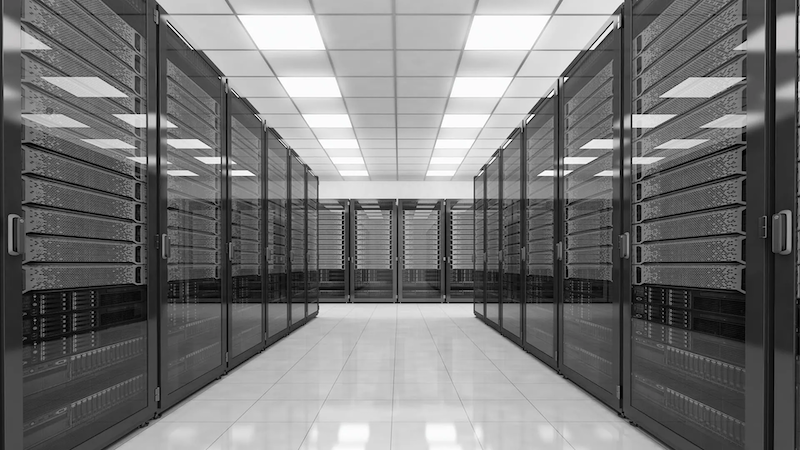
Hardware failure is a big one, especially with older servers, hard drives, and network equipment that can fail without much warning. Many components have a typical lifespan, and once they are past it, the chance of failure rises quickly if replacements are delayed.
Cyber attacks are another major cause, with threats like ransomware, DDoS attacks, and malware capable of taking systems offline for days. Human error also plays a big role through misconfigurations, accidental deletions, or clicking unsafe links. Finally, software problems like failed updates, bugs, or incompatible tools can crash systems when change is not managed properly.
What Are The Key Insights on IT Downtime Costs For Businesses In Ireland?
Downtime costs are not just about "lost time". The figures below show how quickly small outages can turn into big, real money.
Hourly cost impact
Some estimates put downtime at around €2,500 per hour, while other sources suggest Irish SMEs can face closer to €5,600 per hour. The actual cost depends on how reliant you are on systems for sales, service delivery, and staff productivity.
Extended disruption over time
When downtime keeps happening, the cost becomes an annual problem rather than a one-off headache. In some cases, network downtime has been linked to costs of over €70,000 per year for European companies once repeated disruption and recovery time are added up.
Major incident losses
High-impact IT outages can be on another level for larger organisations, especially where multiple systems go down at once. Some figures suggest major incidents can cost enterprises over $18 million (around €16.5 million) per year in extreme cases.
Hidden and secondary costs
The bill is not limited to lost revenue. Businesses often end up paying for emergency IT support, overtime, replacement hardware, and in some situations may also face regulatory penalties under GDPR if data handling or service availability becomes an issue.
Comparing prevention vs downtime
Managed IT services are often priced as a predictable monthly cost, commonly around €95 to €149 per user per month in Ireland. For many SMEs, that steady cost can be far easier to manage than repeated outages and unpredictable repair bills.
How to Prevent IT Downtime?
Downtime is often avoidable when you spot issues early, keep systems maintained, and have a recovery plan that actually works.
Proactive monitoring
Monitoring helps you catch warning signs before they turn into outages, like storage running low, unusual server load, or failing hardware alerts. Instead of finding out when everything stops, you get visibility while systems are still running. That gives you time to fix small issues during quiet periods, not during peak hours. It also helps identify recurring problems, so you are not repeatedly patching the same fault.
Regular maintenance
Planned maintenance reduces the risk of surprise failures caused by missed updates or neglected hardware health. This includes patching operating systems and software, keeping firmware current, and checking key components before they fail. It also means reviewing user access, cleaning up old accounts, and making sure devices are still fit for purpose. Done consistently, maintenance keeps performance steady and reduces "random" breakdowns.
Strong backup strategy
Backups are your safety net when something goes wrong, but only if they are automated, tested, and easy to restore. A good setup includes regular backup schedules, secure storage, and clear restore steps that do not rely on guesswork. Offsite or cloud copies add extra protection if local systems are hit by theft, fire, or ransomware. Most importantly, restores should be tested, because a backup you cannot restore is just expensive storage.
Redundancy for critical systems
Redundancy removes single points of failure so one broken component does not take the whole business offline. This can include failover servers, cloud services with high availability, and backup internet connections for sites that cannot afford to disconnect. Redundant power and network equipment can also make a big difference for on-prem setups. The goal is simple: keep essential services running even when something fails.
Partner with a managed IT provider
Managed IT support can reduce downtime by combining monitoring, maintenance, and fast incident response under one plan. Instead of reacting to crises, you get structured prevention and quicker fixes when problems do appear. A good provider also helps with planning, security hardening, and backup testing, so you are not relying on luck. For many SMEs, it is a cost-effective way to avoid repeated outages and surprise repair bills.
Conclusion
In 'IT Downtime Costs For Businesses In Ireland', we covered how outages quickly turn into real financial loss, from hourly disruption costs to longer-term damage like missed work, customer frustration, and emergency repair spend. We also looked at the most common causes, including hardware failures, cyber attacks, human error, and software issues, plus practical ways to reduce risk through monitoring, maintenance, backups, and redundancy.
If you want to reduce downtime and keep your systems running reliably, contact Radium for managed IT support, clear advice, and fast response when issues appear.
